
Summer offers many opportunities to discover the wildlife sharing our towns, vegetable gardens and green spaces. Swallows cross the daytime sky; at dusk, we may see bats becoming active. Looking carefully around the garden can also reveal insects visiting flowers or finding small spaces in which to shelter.
Biodiversity Guardians encourages us to approach these encounters with curiosity and respect. We do not need to touch animals or open their shelters to learn about them. Sometimes the most helpful thing is to pause, keep our distance and let them carry on.
Bats: watching at dusk
Insect-eating bats are part of the natural relationships within our ecosystems. Watching them fly can help challenge misconceptions and spark an interest in the places they need to live. A shelter is not an attraction to open so we can check whether it works: its occupants’ peace matters more than our curiosity.
Observe a bat box from outside, without handling it. Providing a structure does not guarantee that it will be used straight away. It is better understood as a measure that needs a suitable location, monitoring and patience, rather than a promise of automatic results.
Swallows: making room without interrupting
Swallows invite us to see buildings as part of a living landscape too. Nests and their access routes need peace: watching from a distance avoids disrupting birds as they come and go. This is particularly important when breeding activity is taking place.
Artificial shelters can help explain the relationship between wildlife and inhabited spaces in the classroom. But a photograph or an installation alone does not prove that a shelter is occupied. Learning to distinguish observation from assumption is another part of environmental education.
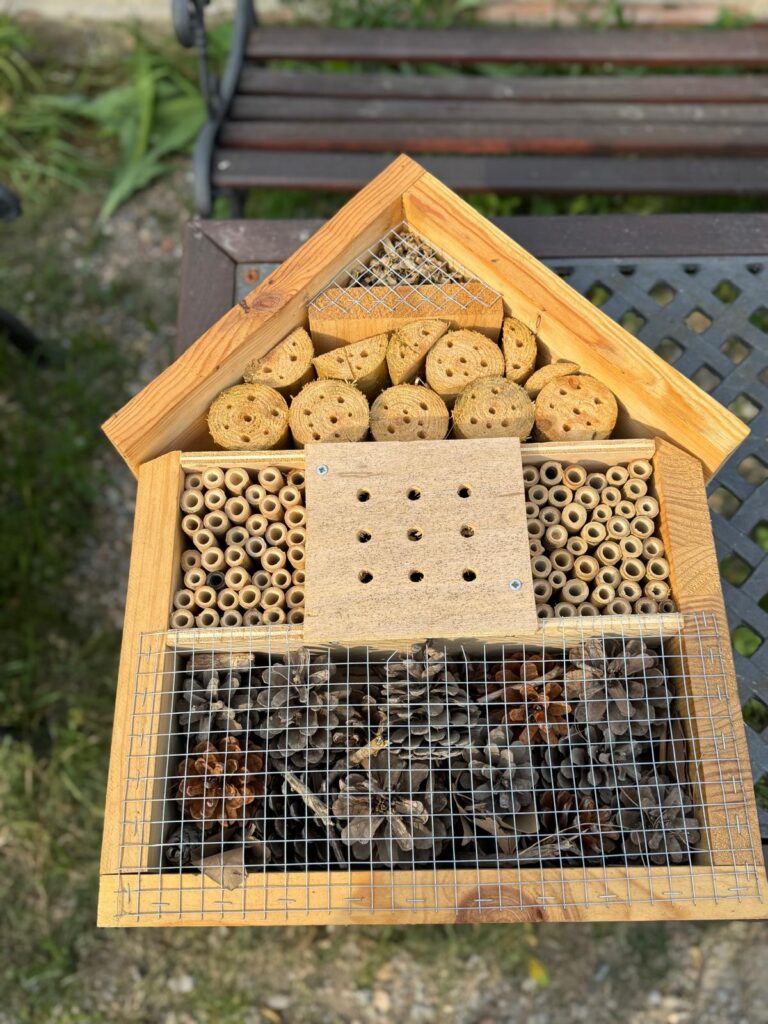
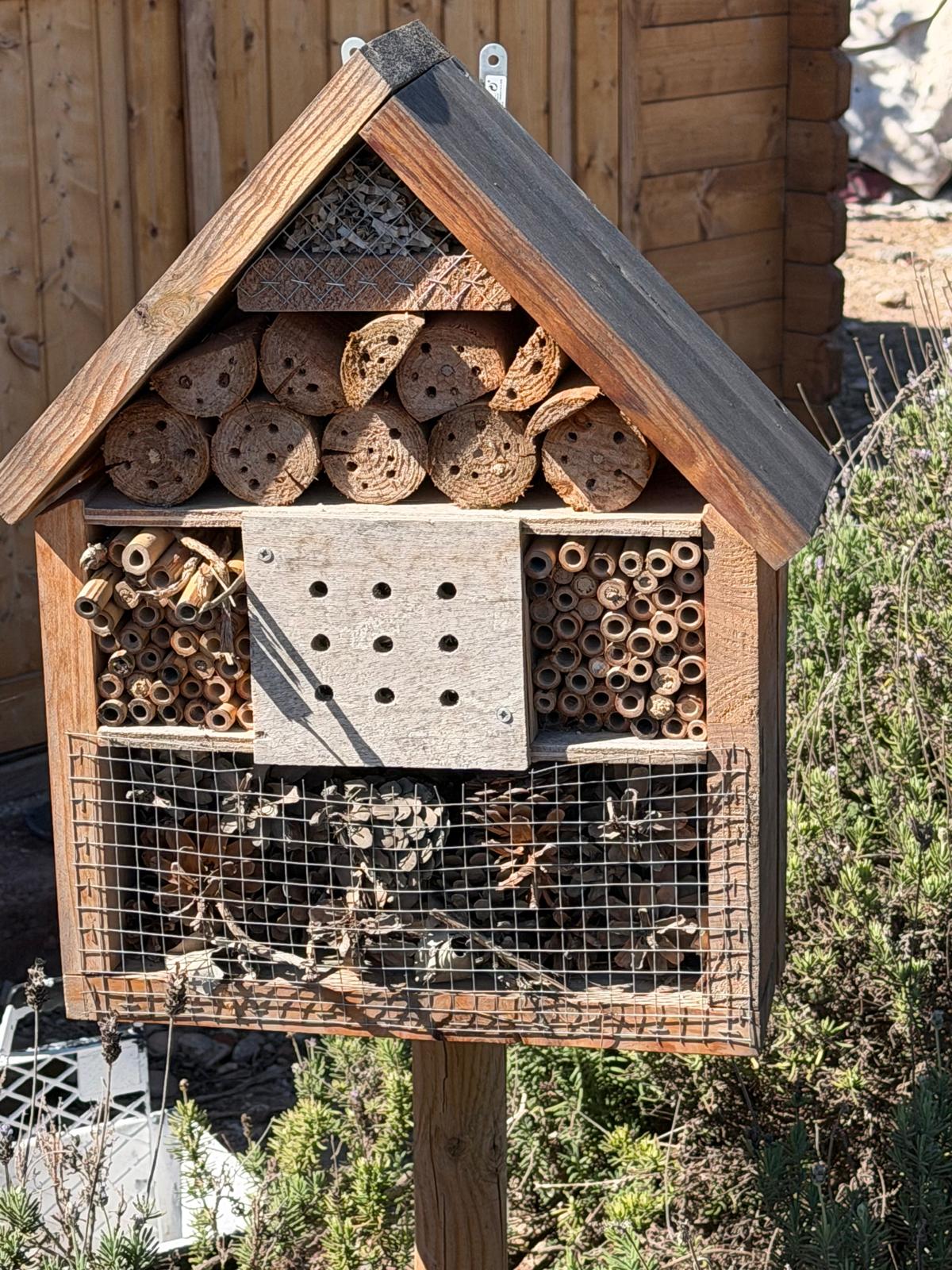
An insect hotel needs more than rooms
These small structures can provide shelter for certain insects, but they cannot replace surroundings that offer food and suitable places to live. Looking at flowers, vegetation and nearby spaces helps us understand the wider picture instead of focusing only on the hotel.
The project page brings together resources about bats, swallows and beneficial insects. They invite us to learn before intervening and to share our observations without disturbing wildlife. This summer, caring can also mean making room, watching quietly and letting other species get on with life.
Keep learning
Read more about barn swallows with SEO/BirdLife, and consult Bat Conservation Trust’s guidance on observing bats and respecting their roosts.
SEO/BirdLife: barn swallow · Bat Conservation Trust: observing without disturbing roosts